
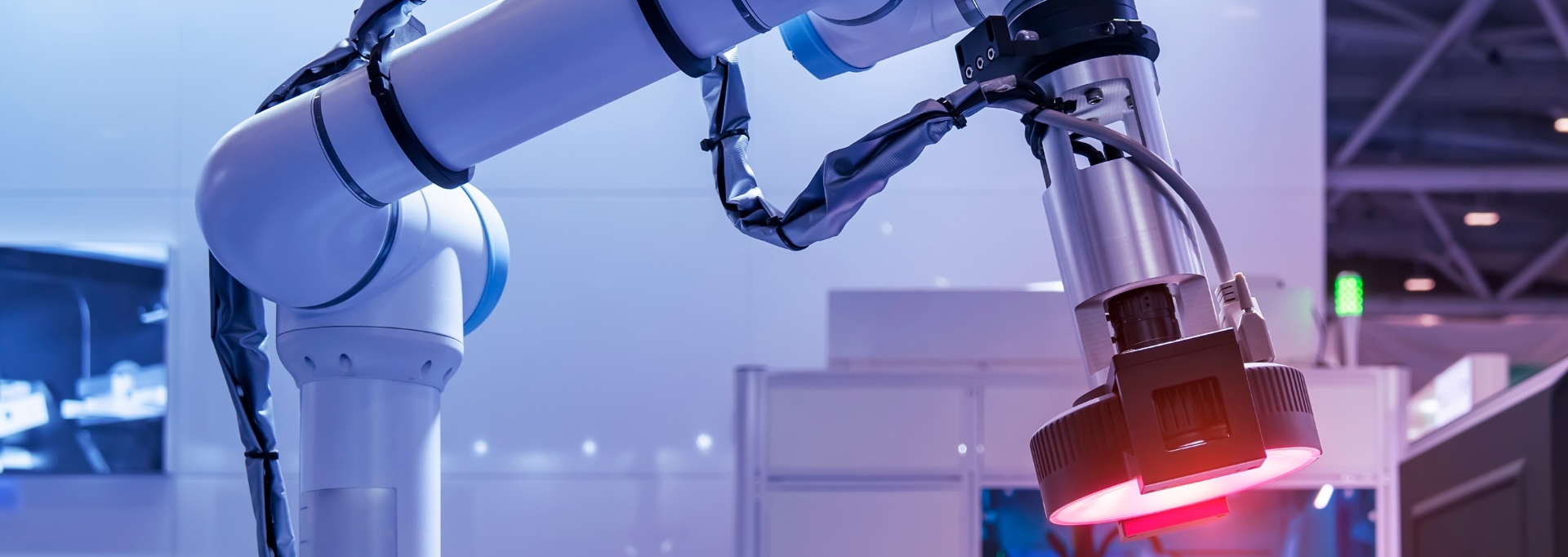
3D Vision Sensor

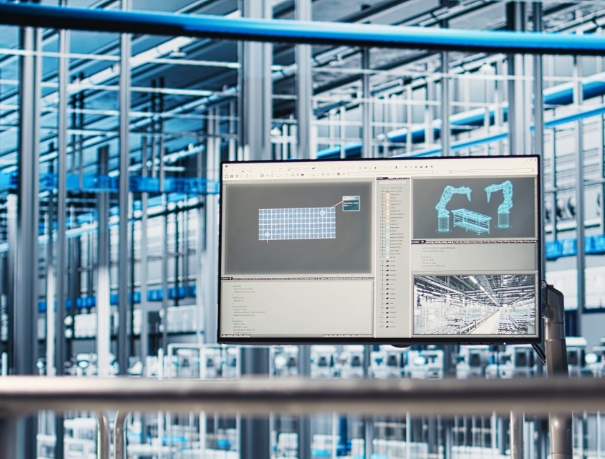
Using high-resolution 3D vision sensors, we measure and automatically correct robot end effector position errors in real-time.
This enables sub-millimeter precision work exceeding conventional robot repeatability, enabling flexible smart factory implementation.

PRINCIPLES

Hand-Eye Calibration & Real-Time Correction

Traditional manual robot programming methods cause serious problems and potential losses in manufacturing environments.
This problem is maximized especially in collaborative robot operating environments where flexibility and ease of use are key.
  1. 3D Data Acquisition

    A 3D sensor (Eye-in-Hand) mounted on the robot gripper acquires 3D shape data (Point Cloud) of the work target.
  2. Automatic Calibration

    Performs hand-eye calibration that automatically calculates the transformation matrix between sensor and robot with high precision in a short time.
  3. VRC (Vision-Guided Robot Control)

    Transmits 6DoF (6 Degrees of Freedom: 3 position axes, 3 orientation axes) errors of work targets measured by the vision system to the robot controller in real-time, immediately modifying and correcting robot paths. This real-time feedback loop dramatically improves work success rates for irregular objects.

FEATURES

Key Features of Simvis 3D Vision Solution

  1. Automatic Hand-Eye Calibration

    Automatically measures and optimizes the kinematic relationship between vision sensor and robot without external measurement equipment. Completes high-precision calibration within minutes to minimize system installation and recalibration time.

    Time Required :
    Completed within minutes (Automated)
    Accuracy :
    High-precision correction below 0.1 mm
    Features :
    No manual data entry or complex setup required
  2. 6DoF Real-Time Position Correction

    Estimates 6DoF (X, Y, Z, Roll, Pitch, Yaw) errors of target parts in real-time even while the robot is moving, and applies correction values to robot paths to eliminate even minute position and orientation errors.

    Correction Range :
    6DoF (Position & Orientation)
    Technology :
    Vision-Guided Robot Control (VRC)
    Effect :
    Over 90x improvement in robot accuracy

PROS & CONS

Advantages & Considerations

Precision
Advantages
Maximize work success rates with sub-millimeter high precision exceeding robot repeatability
Considerations
System final precision determined by sensor resolution and accuracy (High-cost sensors required)
Efficiency
Advantages
Dramatically reduce system installation and recalibration time with automatic calibration
Considerations
Professional vision software development required for 3D data processing and algorithm implementation
Flexibility
Advantages
Enable work automation for irregular/randomly placed parts (Overcome limitations of existing automation)
Considerations
Optimal lighting system design essential in complex lighting conditions (shadows, reflections)
Stability
Advantages
Reduce defect rates by ensuring consistent and repeatable results through real-time error correction
Considerations
Precise design required between sensor working distance and robot work area

WORKFLOW

3D Vision Robot Auto-Correction & Control Workflow

The 3D vision system perfectly guides robot work through a closed-loop of 'Acquisition → Analysis → Correction → Operation'.
  • Acquisition
  • Analysis
  • Correction
  • Operation

APPLICATIONS

Key Application Areas

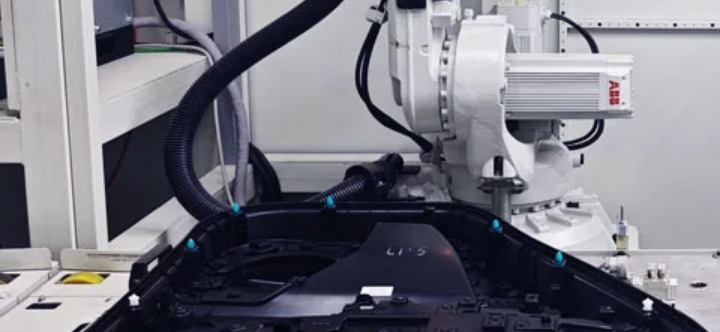
  1. Vehicle Door/Trim Panel Auto Insertion

    Real-time correction of position and tilt of large parts with significant position errors (doors, sunroofs, dashboards) to enable error-free high-precision assembly.

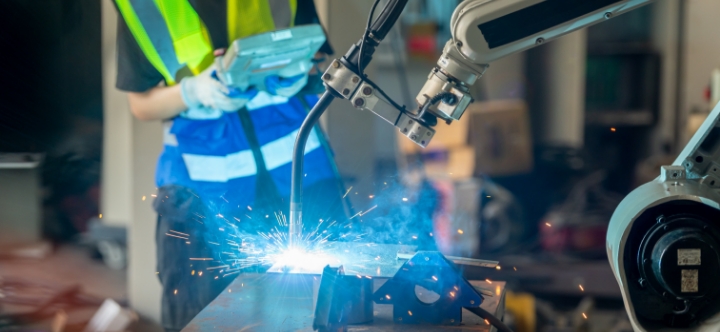
  2. High-Precision Welding & Bonding Automation

    Using 3D sensors such as laser profilometers to identify weld seam position and orientation, with real-time correction to ensure robots follow accurate welding paths without error.

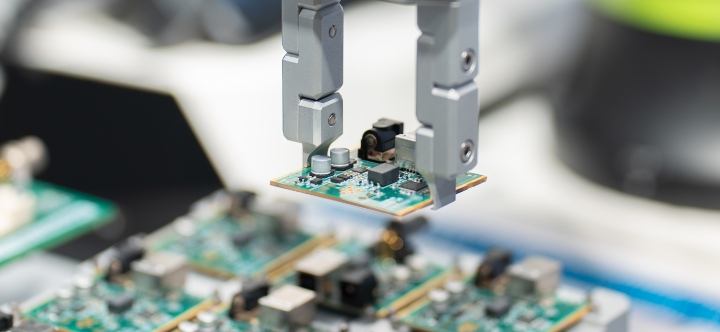
  3. Electronics & Precision Parts Assembly/Joining

    Perform error-free assembly and joining of precision parts where tight tolerances are critical, such as engine parts, gearboxes, and EV battery modules.

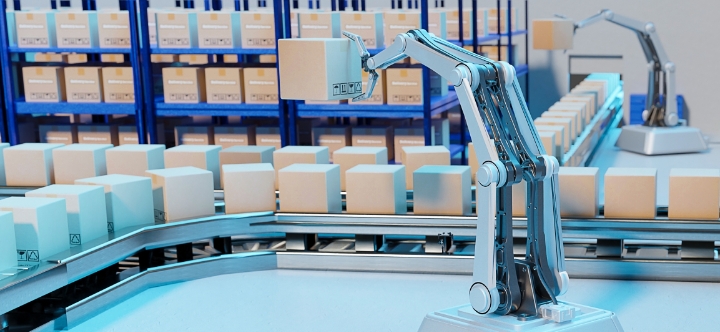
  4. Irregular Parts Pick & Place (Bin Picking)

    Recognize 6DoF pose of irregularly stacked or randomly placed (bulky) parts, calculate collision-free optimal paths, and automate pick-and-place operations.